Kuza Project
Kuza means Growth. A non-profit faith-based charitable programme passionately dedicated to bringing hope to families living in extreme poverty — implemented in Tanzania through the Njombe Development Office (NDO).
Transforming Lives Through Growth
Kuza Project deals with different activities and programmes that focus on uplifting people's lives from poor living standards to a better living standard. Its main objective focuses on the transformation of human life from extreme poverty to a good living standard through economic education towards self-sustainability.
In Tanzania, the Kuza project has been implemented through NDO by touching people's lives in five core areas:
Current Activities / Programmes:
- Family Sponsorship
- The Cow Project
- The Corn Grinding Machine
- Sunflower Production
- Clinic in Reproductive Child Health Care
- Deworming
Family Sponsorship
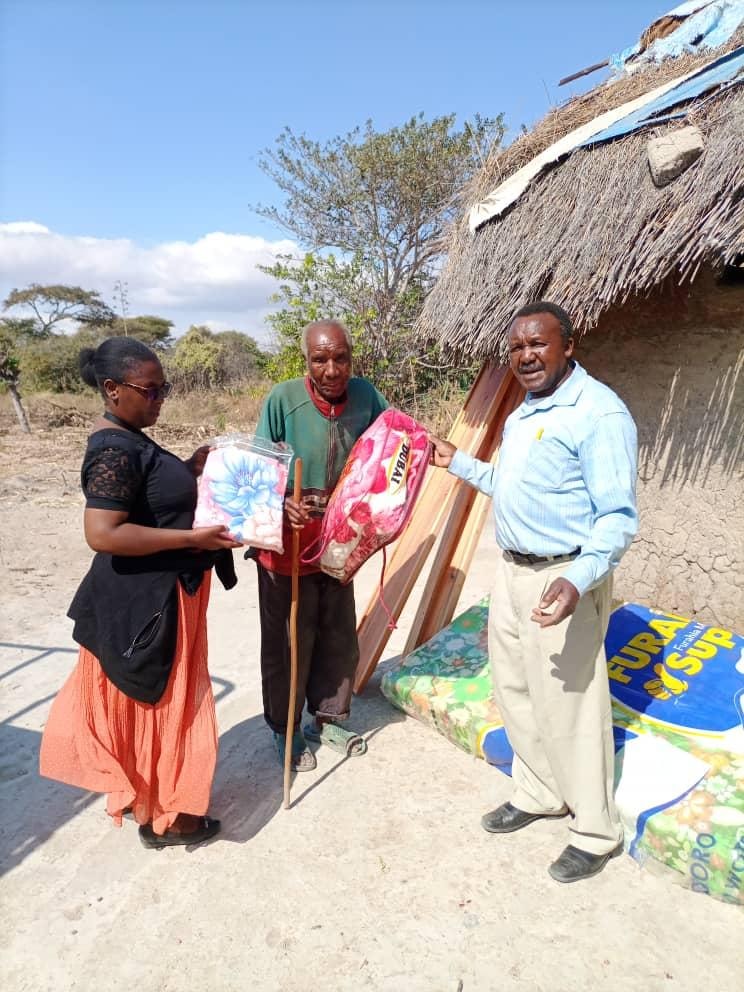
Family Sponsorship details will be added here. Upload images to this section when ready.
Shelter — House Construction
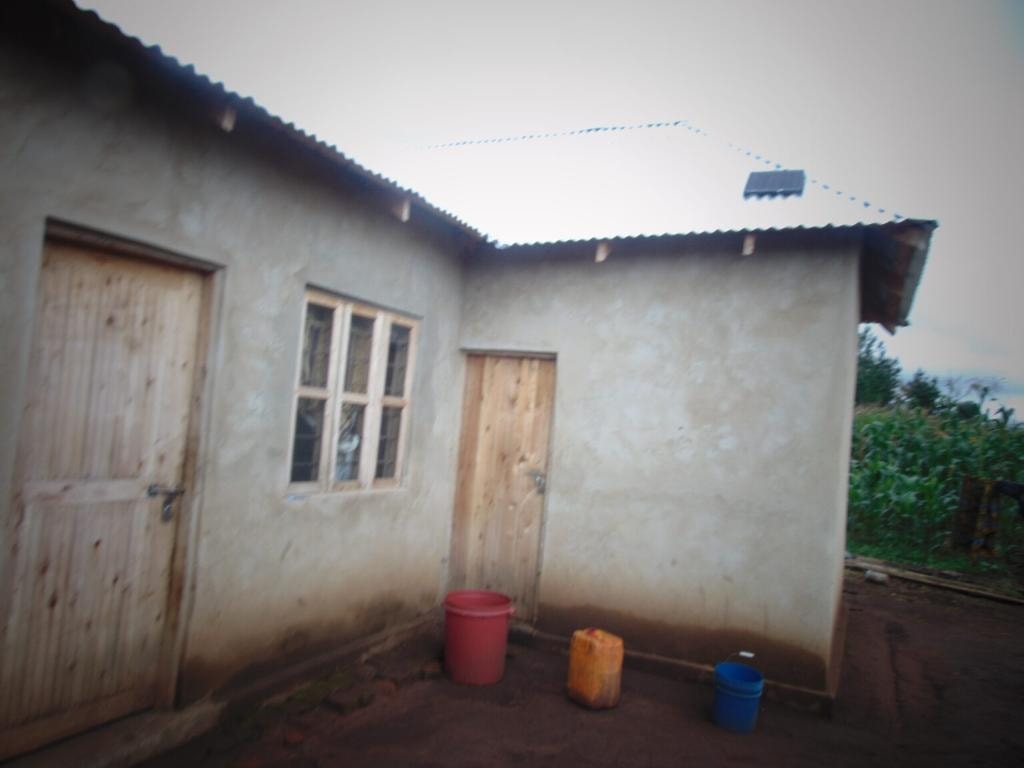
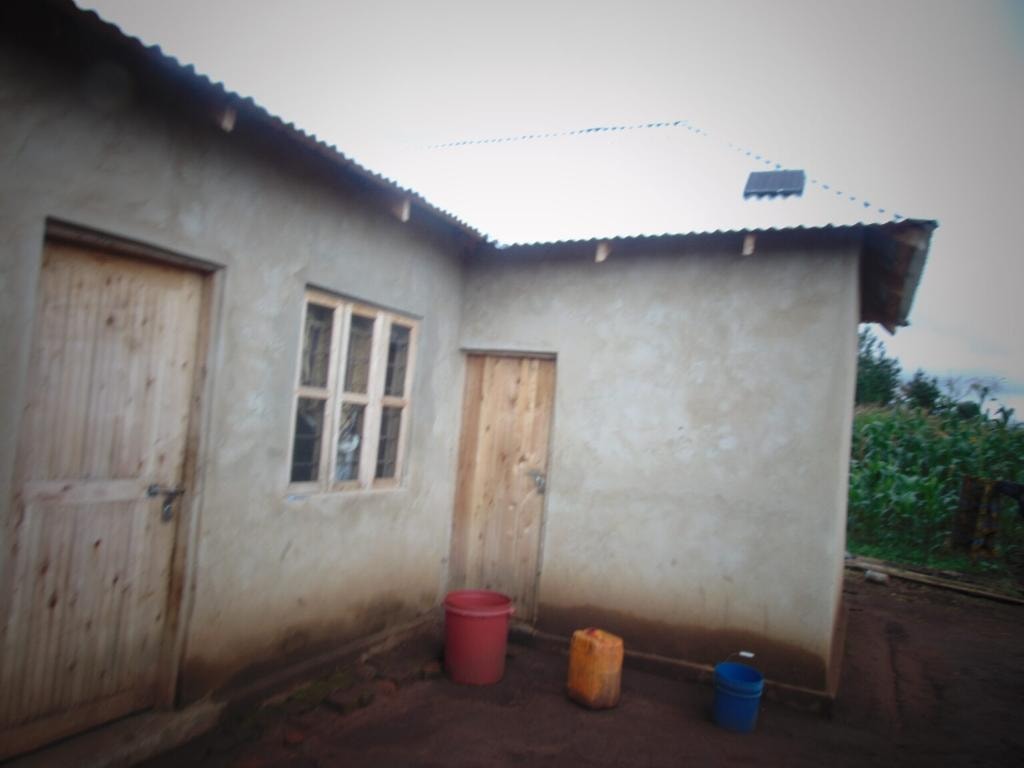
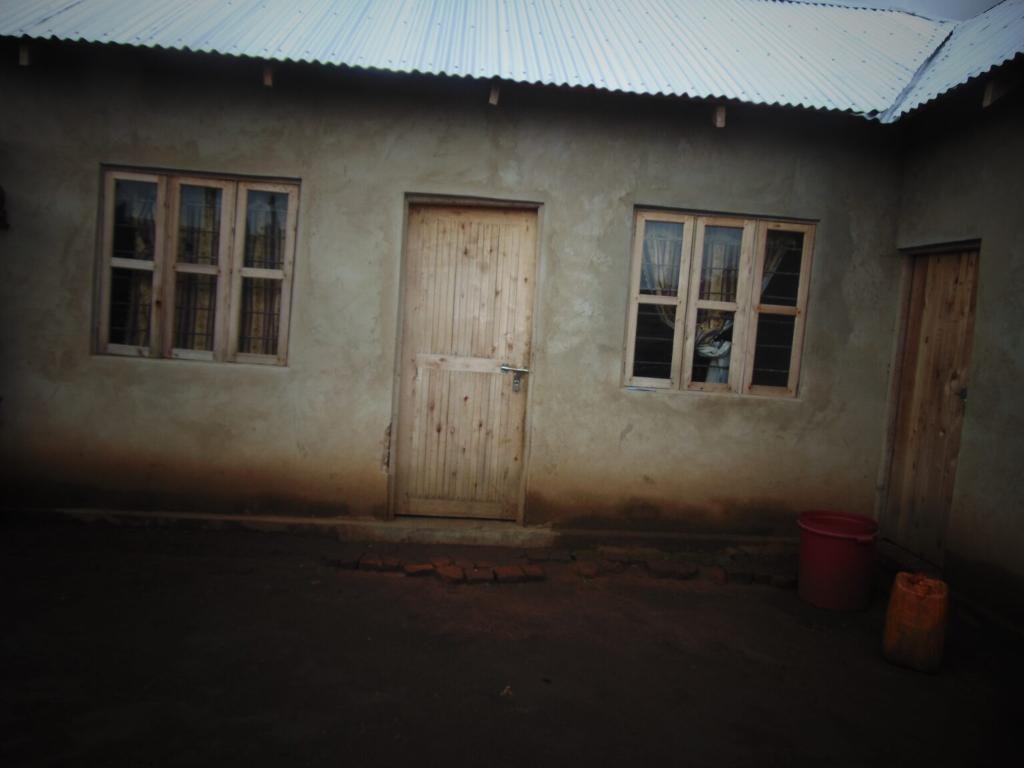
Adequate shelter is a foundation of dignity and wellbeing. Through the Kuza Project, NDO identifies the most vulnerable families living in dilapidated or unsafe structures and supports them to build a simple, durable home. Each house is constructed using locally available materials — plastered brick walls, a corrugated iron roof, and a wooden fence — providing families with a safe, weatherproof home for the first time.
The construction process involves the family and local community, building ownership and pride in the finished home. Beneficiaries are selected based on need, with priority given to elderly individuals, widows, and families with young children who are living in the most precarious conditions.
A secure home changes everything — children can study, families can store food safely, and parents can focus on income-generating activities rather than the daily struggle of living in an unsafe structure.
The Cow Project
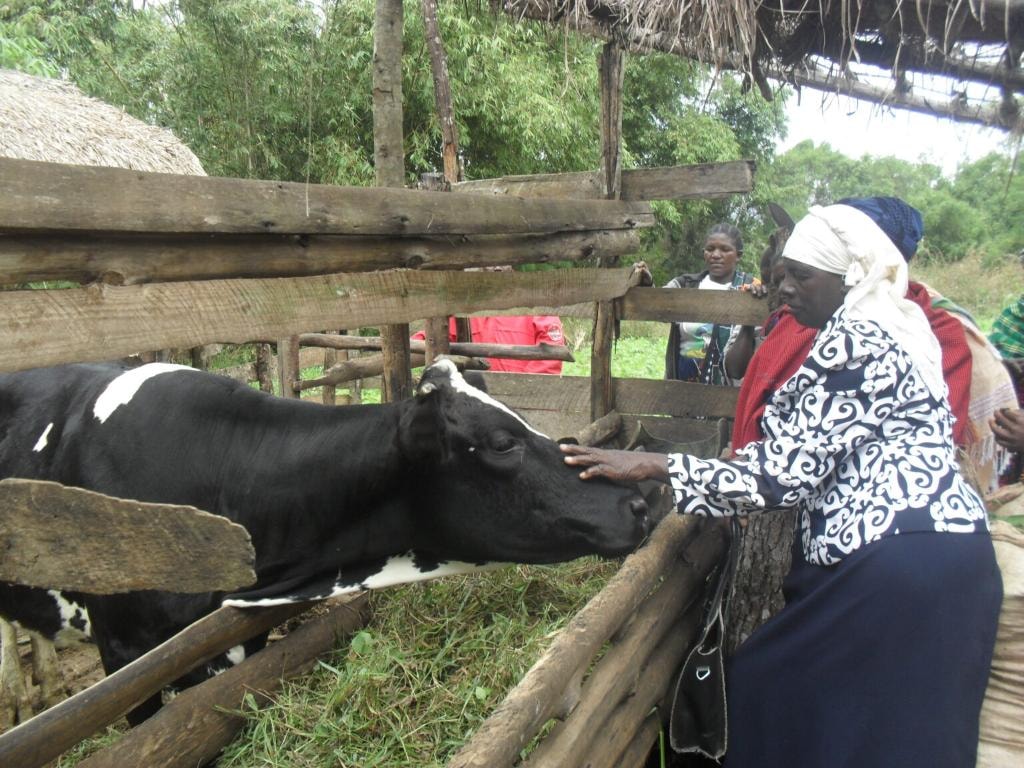
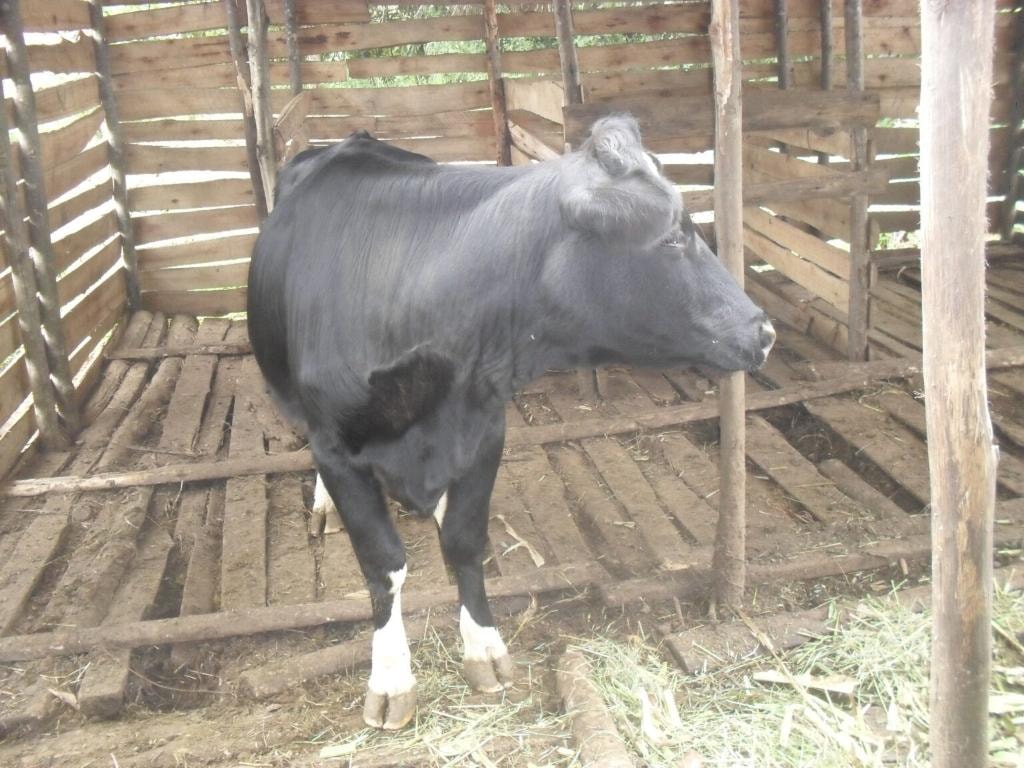
The Cow Project is one of the most transformative components of the Kuza Project. NDO provides carefully selected vulnerable families with a dairy cow, along with training in animal husbandry, feeding, and basic veterinary care. The cow becomes a long-term asset — producing milk for daily nutrition and generating income through milk sales.
Beneficiary families are supported through the full cycle: from receiving the animal and building a simple shelter for it, to learning how to care for it and eventually passing on a calf to another family in need — creating a chain of giving within the community.
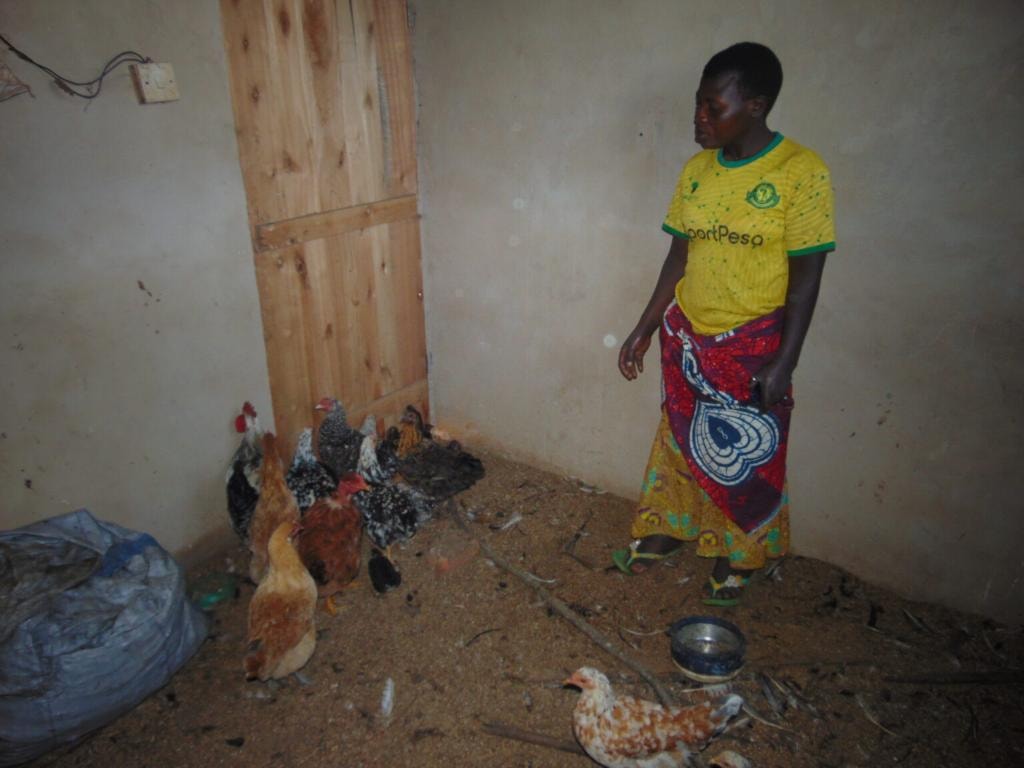
The manure produced by the cow also enriches kitchen gardens, enabling families to grow vegetables such as tomatoes and cabbages for household nutrition and local sale — turning one gift into multiple sources of food security and income.
The Corn Grinding Machine
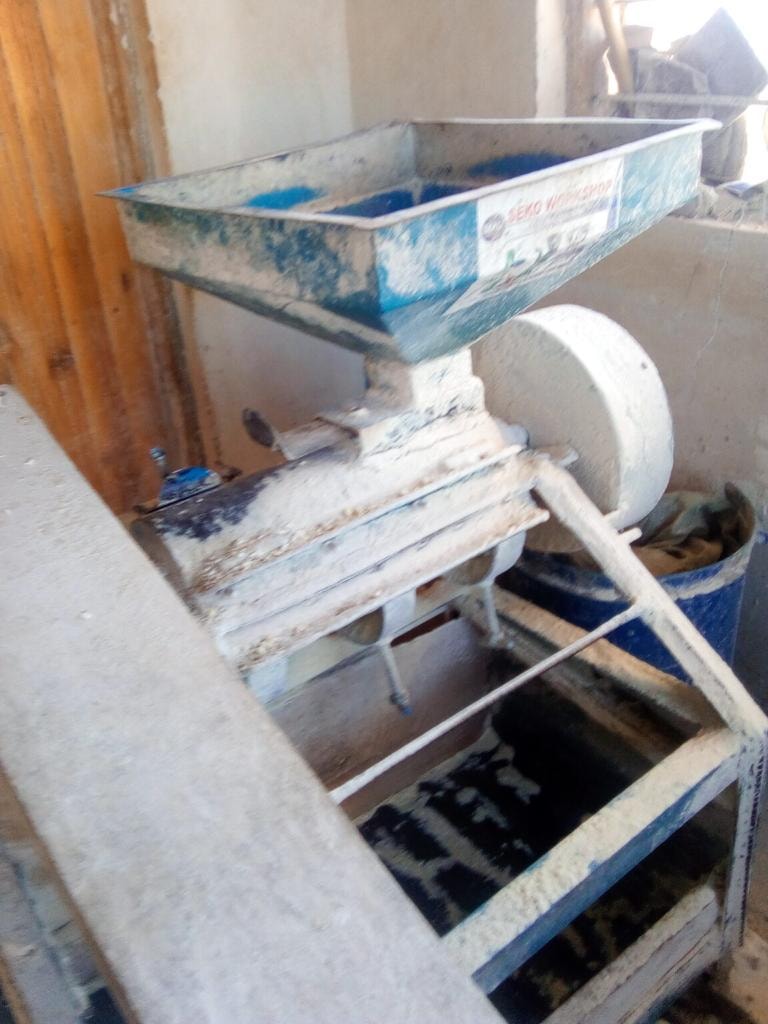
Reducing the Burden of Food Processing
Saving Time, Saving Money, Strengthening Families
For many families in Njombe, grinding maize into flour is an exhausting, time-consuming task — often done by hand or requiring long journeys to distant mills. Through the Kuza Project, NDO and Caritas Njombe provide communities with access to a corn grinding machine, dramatically reducing the time and cost of food processing for vulnerable households.
The machine is made available to beneficiary families and the wider community, generating a small income that supports the sustainability of the project while keeping costs low for those who use it. Families are trained in safe operation and basic maintenance, building local capacity to keep the machine running reliably.
By freeing up hours previously spent on manual grinding, families — and particularly women — gain time for other income-generating activities, caring for children, and participating in community life.
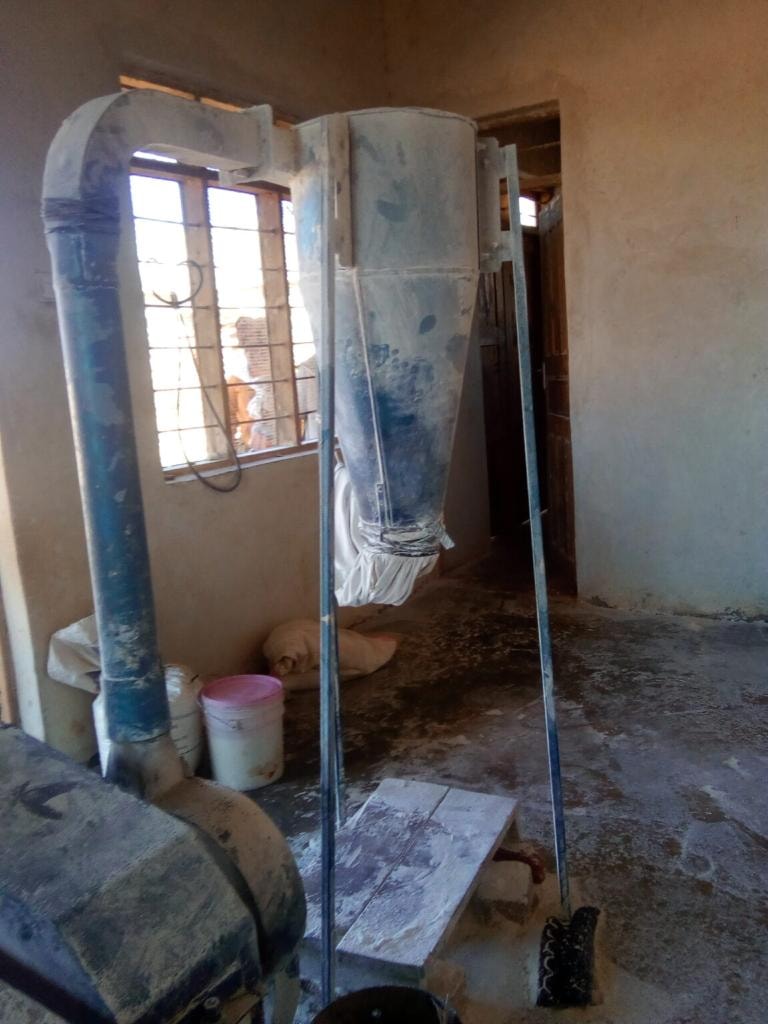
Training session — community members learning to operate and maintain the machine
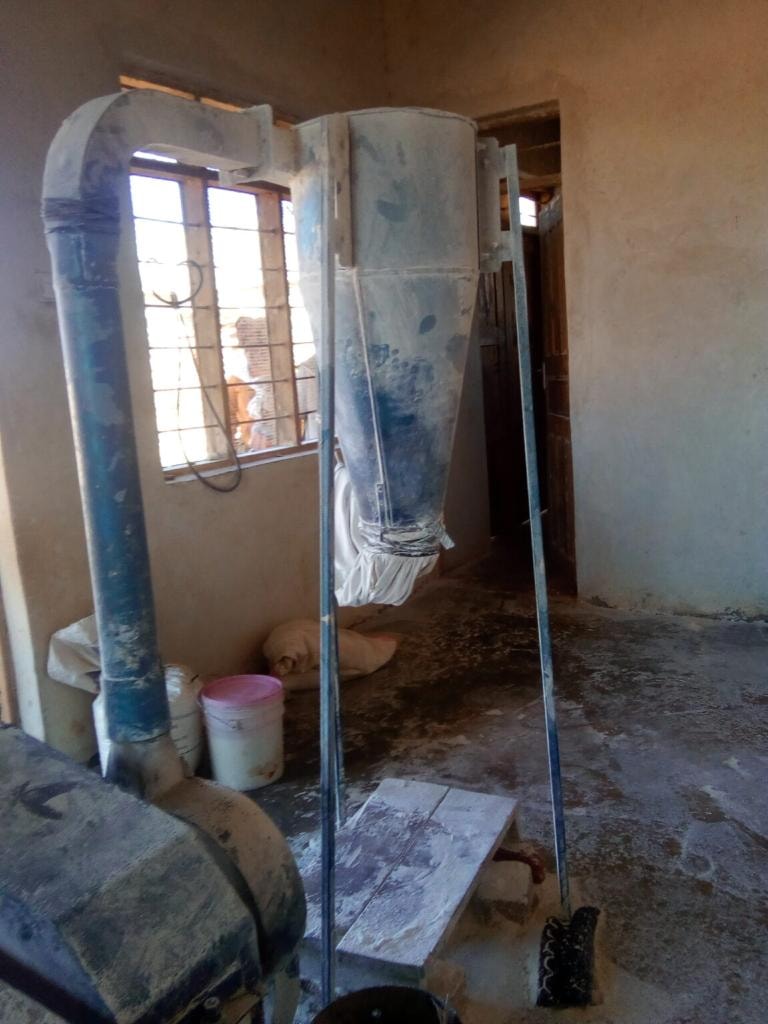
Community members processing their maize harvest at the grinding machine
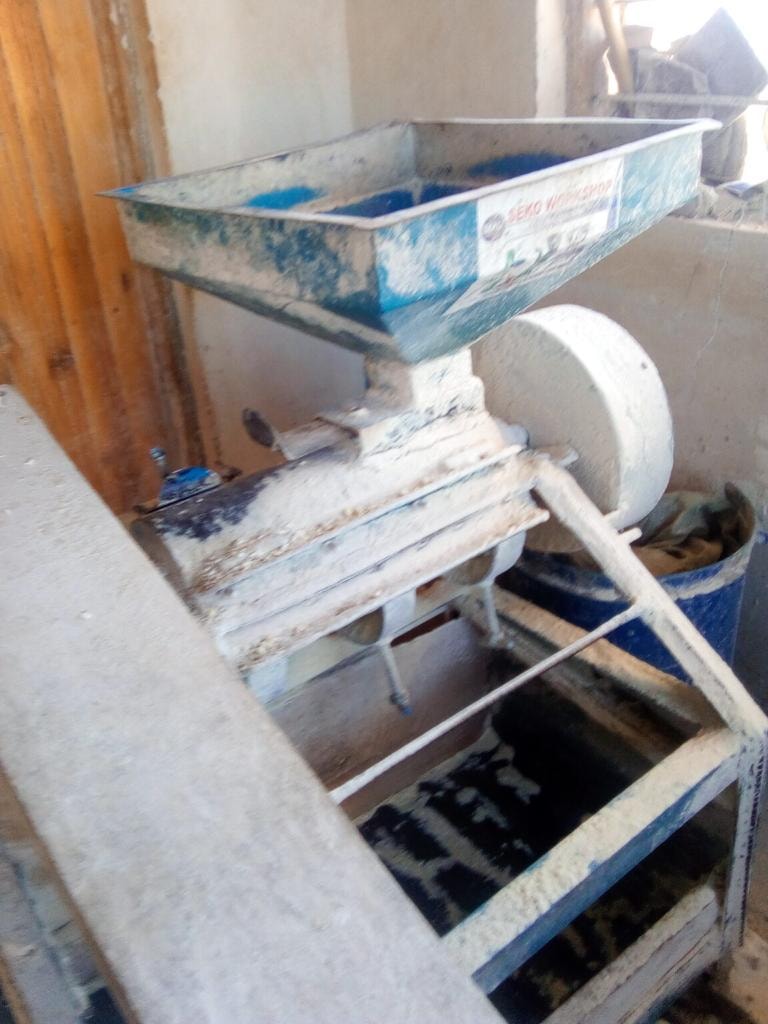
The impact — families with access to affordable, locally processed flour
A Shared Resource, A Shared Benefit
The corn grinding machine is more than a piece of equipment — it is a community asset. By making food processing accessible and affordable, the Kuza Project helps families stretch their resources further, reduce post-harvest losses, and spend less time on labour-intensive tasks. The small income generated from community use also contributes to the long-term sustainability of the Kuza programme itself.
Sunflower Production
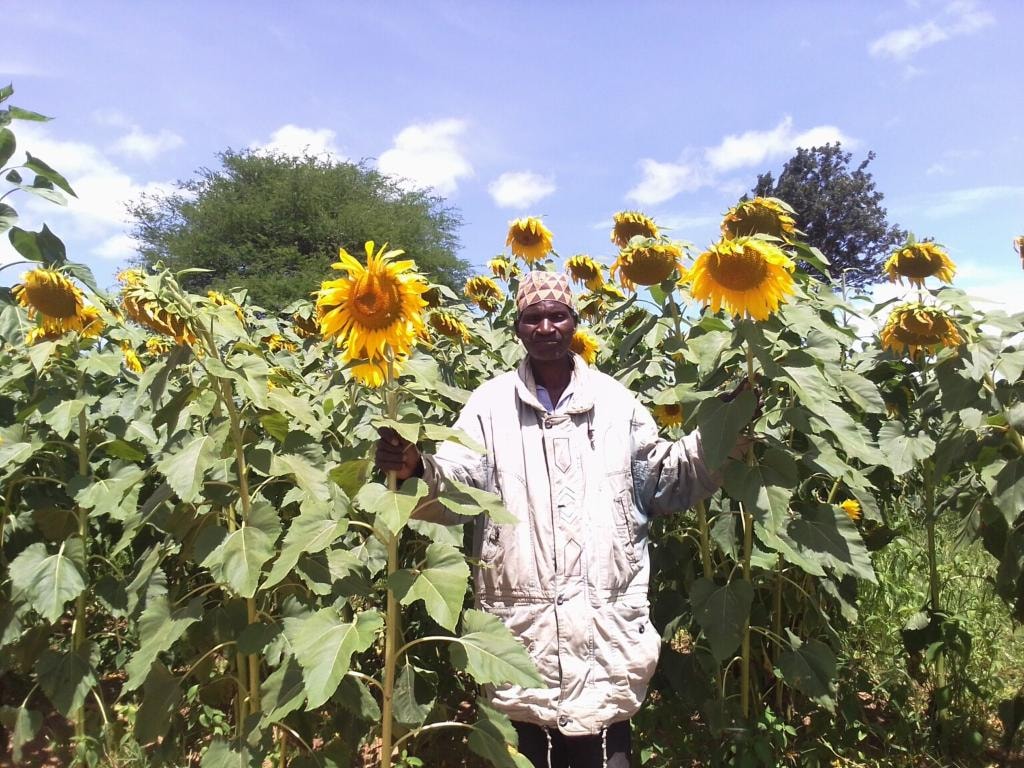
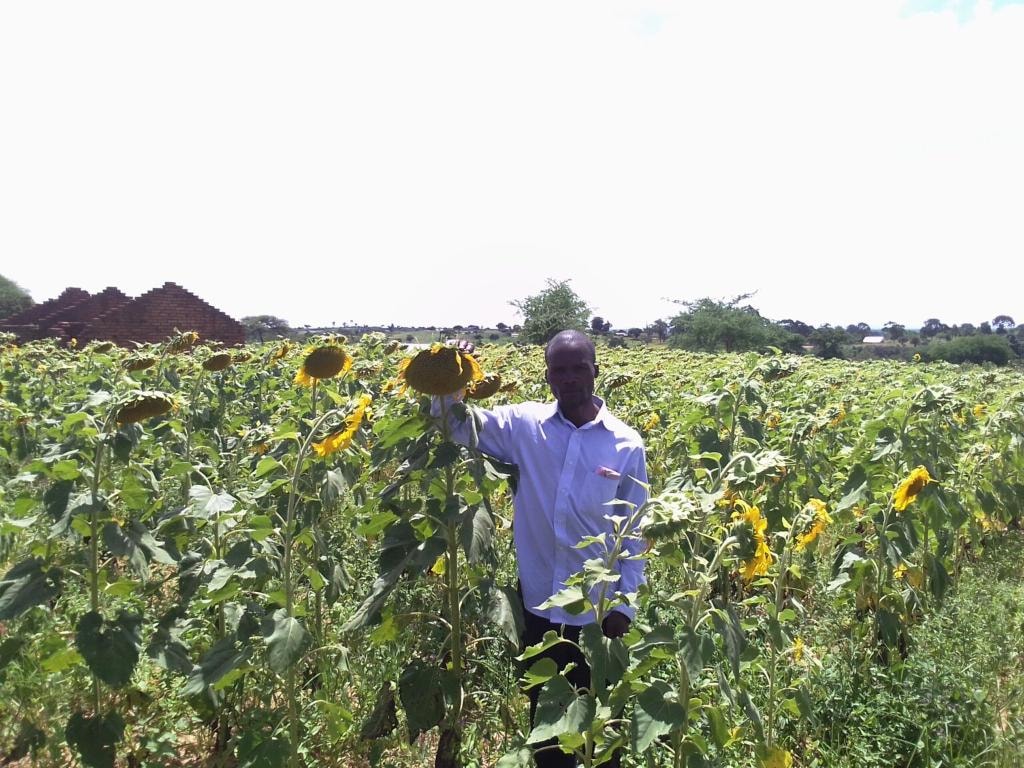
Sunflower production is a key income-generating activity supported by the Kuza Project. NDO provides vulnerable families with sunflower seeds, farming inputs, and training in cultivation techniques suited to Njombe's highland climate. Sunflowers are well adapted to the region and offer a reliable cash crop that families can harvest and sell locally.
The sunflower oil extracted from the harvest is in high demand for cooking, giving beneficiaries a direct market for their produce. Families are supported from land preparation through to harvest, with guidance on spacing, weeding, and pest management to maximise yields.
Beyond individual households, the project brings farmers together in groups to share knowledge, pool resources, and collectively negotiate better prices for their produce — building a stronger, more resilient farming community across Njombe.
Clinic in Reproductive Child Health Care
Reproductive, Maternal and Child Health (RCH) Services
Supporting Healthy Mothers, Fathers and Children
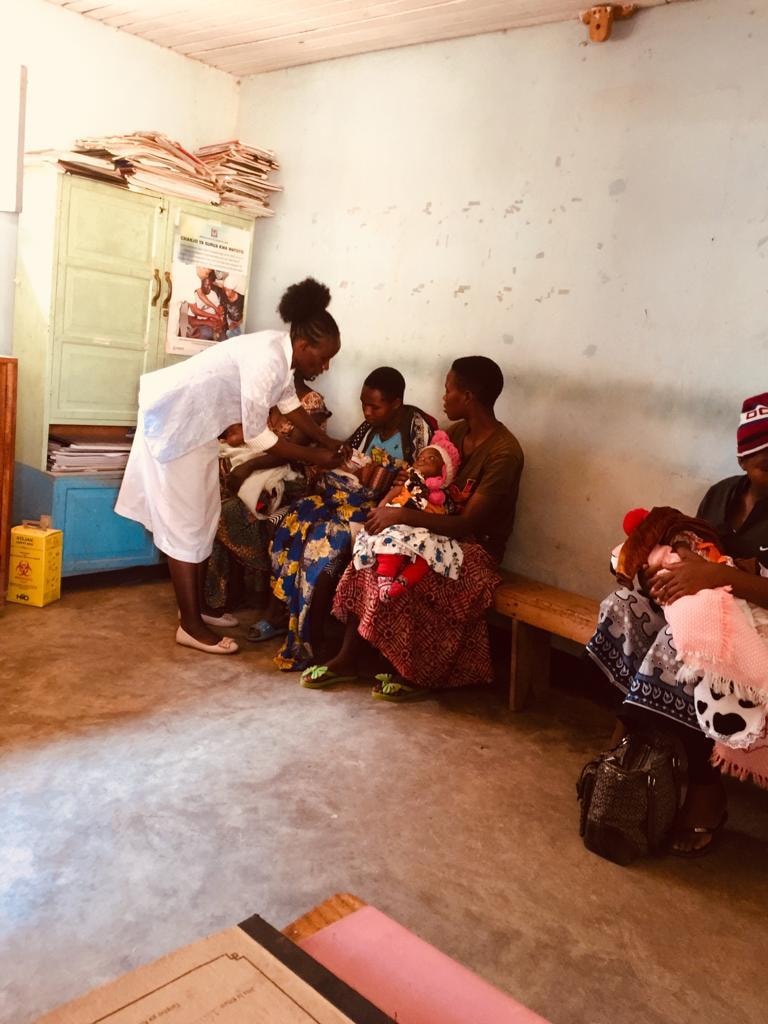
Reproductive, Maternal and Child Health (RCH) is a community-focused service operating under Caritas, Njombe Catholic Diocese. Through Caritas, the programme works in collaboration with health facilities to bring qualified maternal and child health professionals closer to communities, making essential healthcare services more accessible to families.
RCH is a long-term, sustainable programme that provides continuous maternal and child health services through health facilities, helping communities access essential healthcare close to where they live.
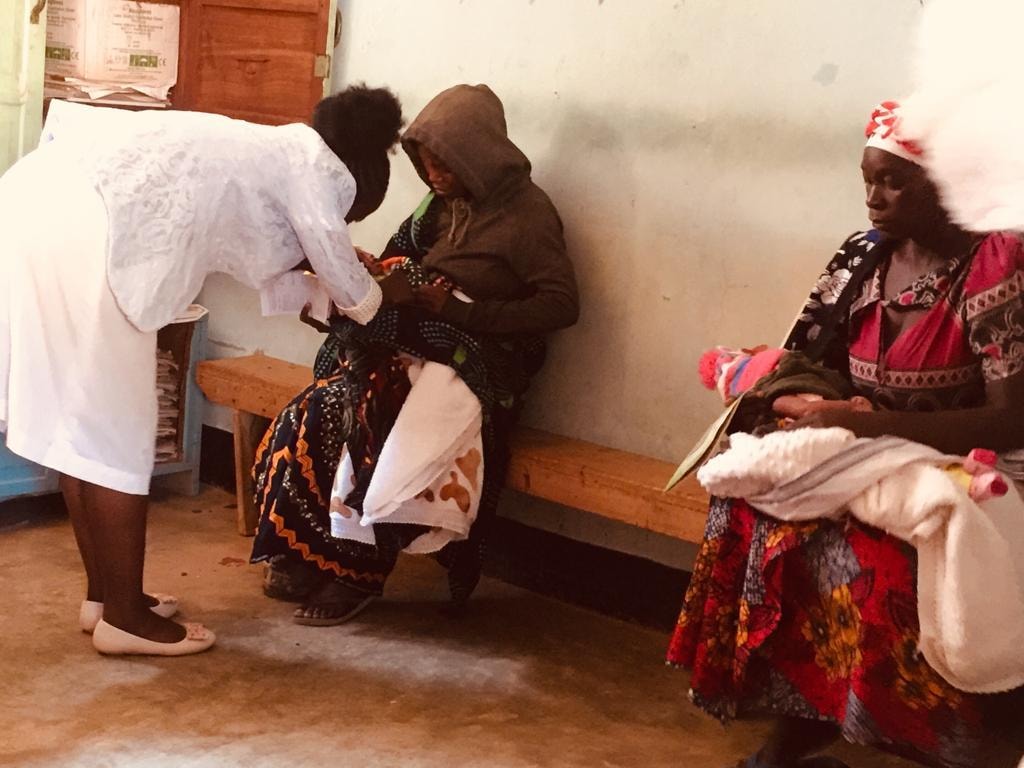
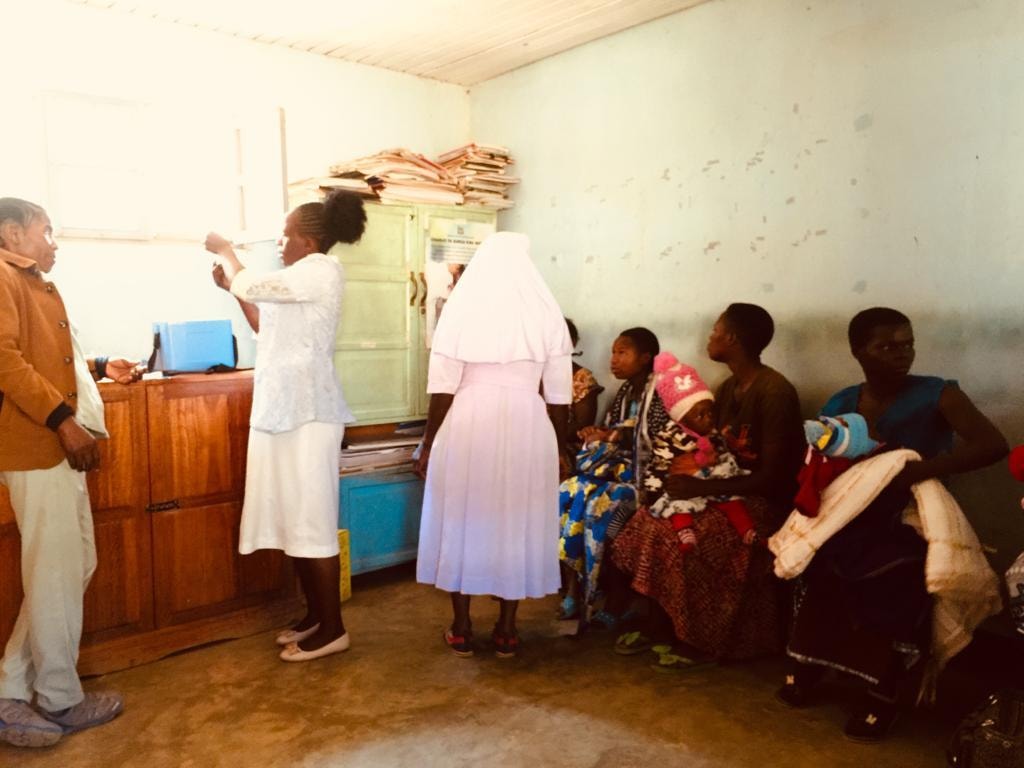
One-on-one consultation — a nurse attends to a mother and her newborn
Our Services
Immunization
Providing essential vaccinations for pregnant women and children under five years of age.
Maternal & Child Health Promotion
Promoting the health and well-being of mothers and children, including interventions to prevent and address childhood stunting.
Health & Nutrition Education
Providing mothers and families with guidance on maternal and child health, nutrition, healthy living and preventive healthcare.
Health Screening & Assessment
Conducting various health assessments to identify health concerns early and ensure individuals receive appropriate care.
Community Welfare & GBV Awareness
Working with social welfare services to educate and raise awareness about gender-based violence affecting women and children.
Support for Immunization & Medicines
Collaborating with government authorities to support access to essential vaccines and medicines for mothers and children.
Child Growth Monitoring
Monitoring children's growth by assessing age, height and weight to identify children requiring additional health and nutritional support.
HIV Services
Providing HIV-related services and support for mothers and children.
A Partnership Rooted in Faith and Community
The RCH clinic operates through a close partnership between Caritas Njombe, the Catholic Diocese, qualified health professionals, and the local community. The presence of religious sisters alongside nurses and community members reflects the holistic, faith-based approach that NDO and Caritas bring to maternal and child health — caring for the whole person, not just the medical need.
This collaborative model ensures that services are delivered with compassion, cultural sensitivity, and a deep commitment to the dignity of every mother and child served.
Immunization Services
The programme supports the provision of essential childhood and maternal immunization services, including vaccines against:
Our Commitment
Through RCH services, Caritas, Njombe Catholic Diocese works to improve access to healthcare, promote healthy families, prevent childhood malnutrition and stunting, and contribute to healthier and stronger communities.
Deworming
School-Based Deworming Programme
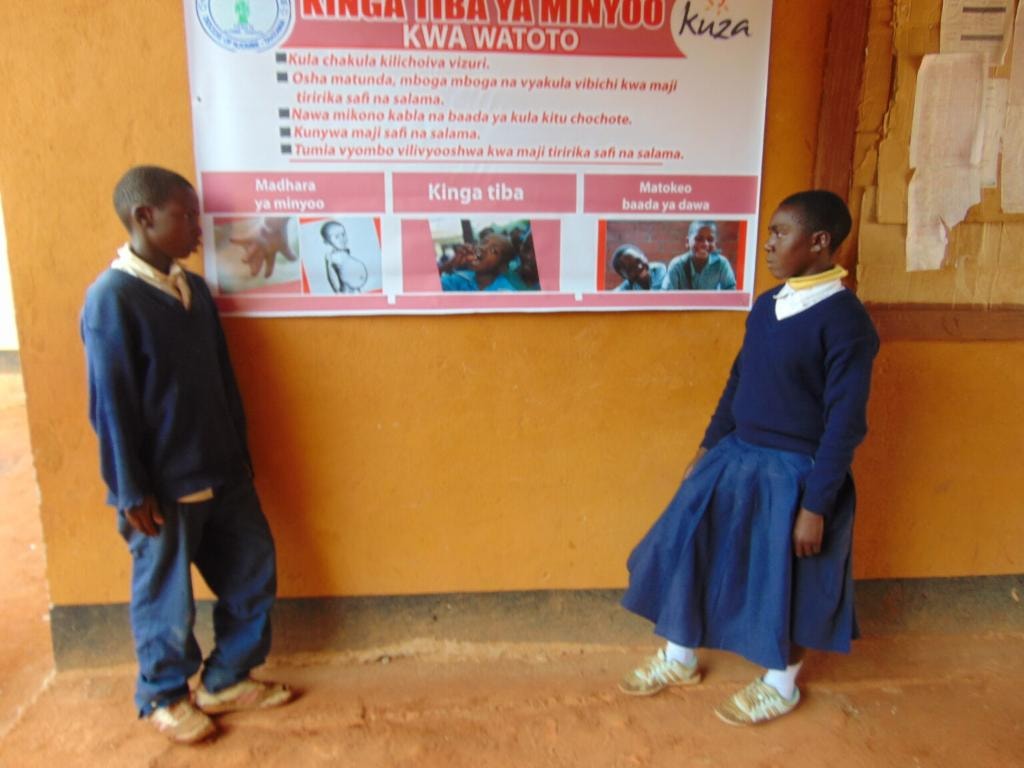
Kinga Tiba ya Minyoo kwa Watoto — Protecting Children from Intestinal Worms
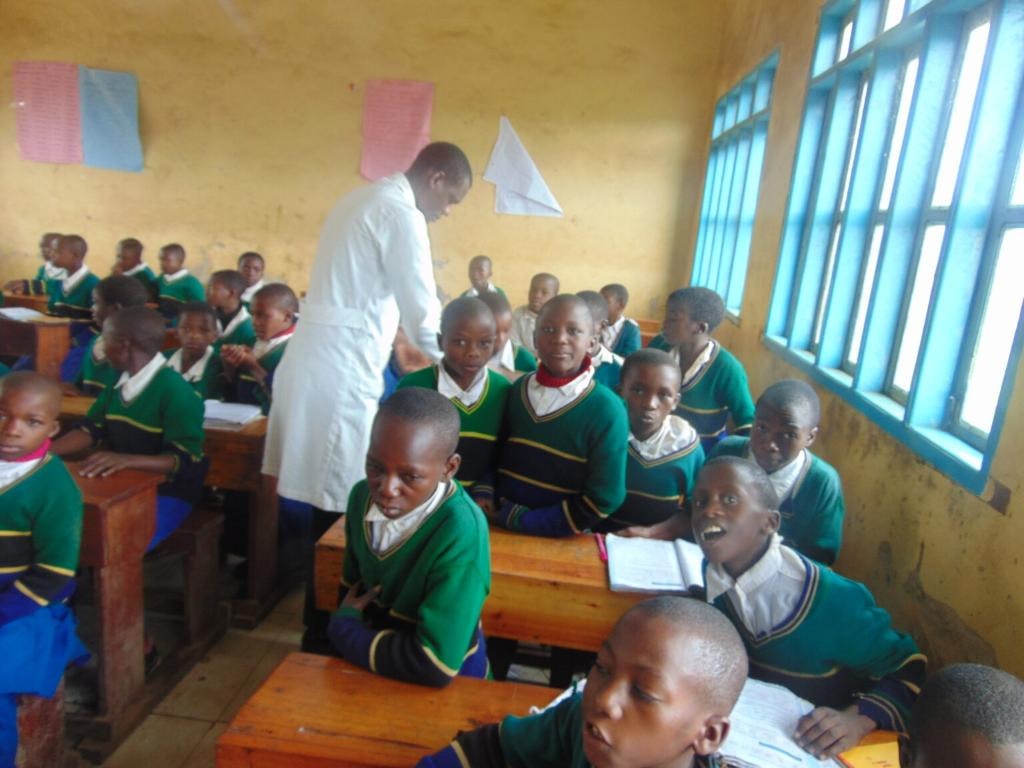
Intestinal worms are a significant cause of malnutrition, anaemia, and poor school performance among children in Tanzania. Through the Kuza Project, NDO and Caritas Njombe run a targeted deworming programme that reaches school-age children directly in their classrooms, ensuring treatment is accessible, regular, and delivered by trained health workers.
The programme goes beyond medicine — it integrates hygiene education, teaching children the importance of handwashing, safe water use, and sanitation practices that prevent re-infection. Schools are equipped with clean water access points and handwashing facilities to reinforce these lessons in daily life.
By treating children at school and building lasting hygiene habits, the programme supports healthier, better-nourished children who are able to attend school regularly and reach their full potential.
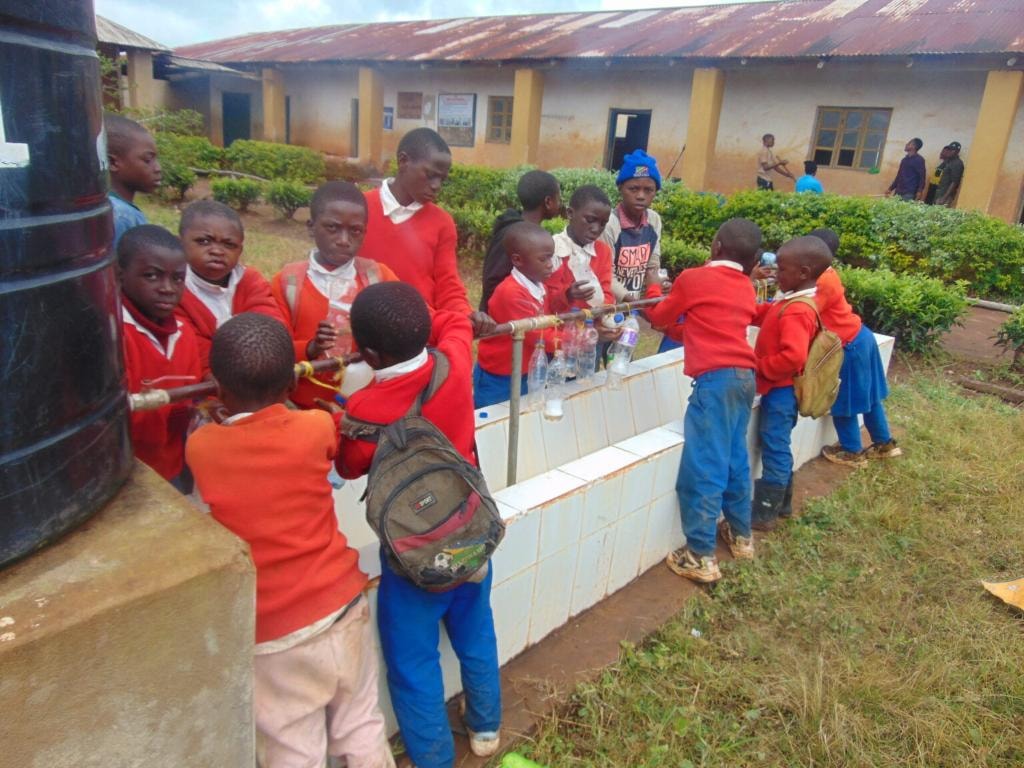
Clean water access — pupils collect water from school taps fed by a storage tank
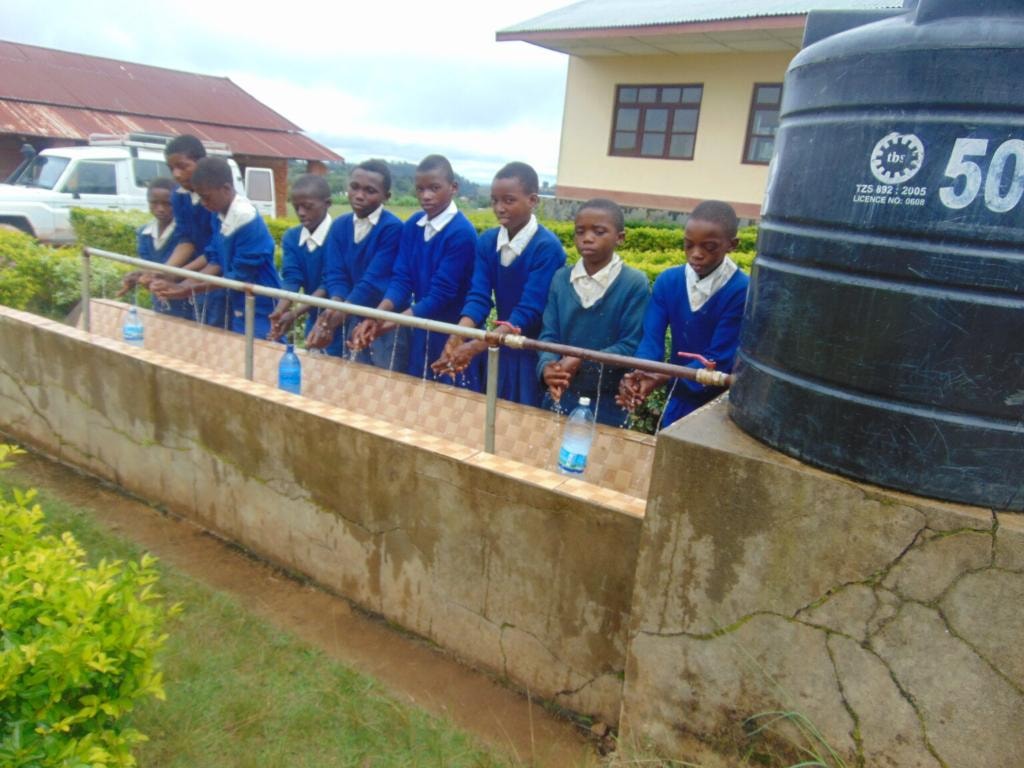
Handwashing practice — pupils at the school's outdoor washing station
Why Deworming Matters
Regular deworming combined with hygiene education reduces absenteeism, improves concentration, and supports healthy growth in children. The Kuza deworming programme is part of a broader commitment to child health and wellbeing across the communities NDO and Caritas Njombe serve.